A Story for Aunt Nancy

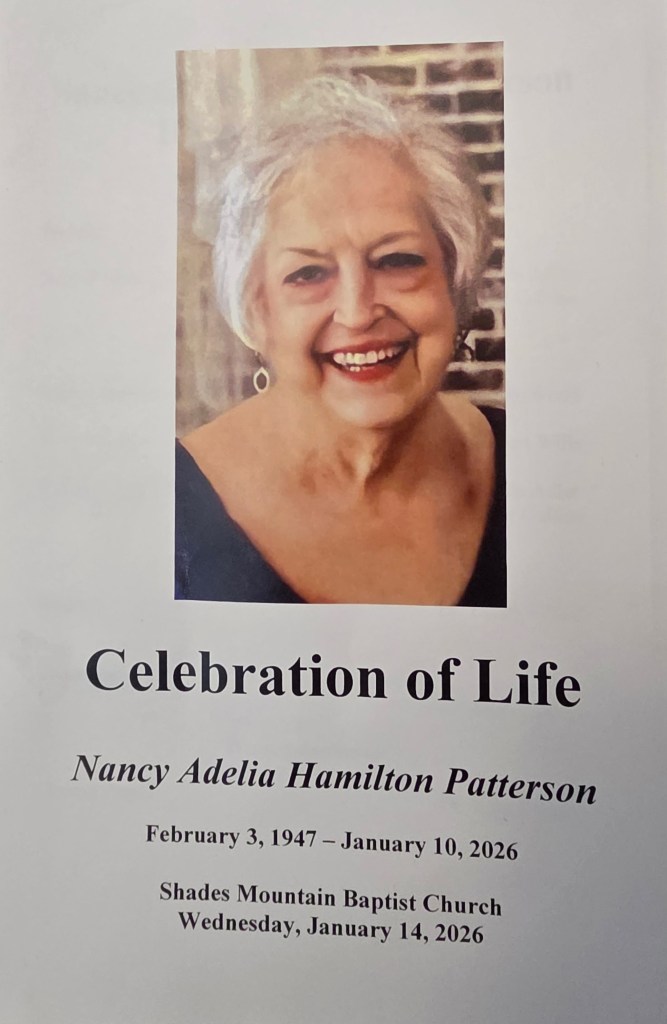
Yesterday, we gathered at Shades Mountain Baptist Church in Birmingham, Alabama, to honor the life of my sweet Aunt Nancy. That church wasn’t just a place she attended — it was a defining part of her identity. She joined in 1952 at just five years old, and by the time she passed, she held the longest consecutive membership in the church’s 115‑year history. Nearly seventy‑four years of worship, service, friendships, and memories. I learned she had experienced every building the church ever called home, a living thread running through its generations.

I had been to Shades Mountain before, but it had been many years. Walking through its doors again for her service felt both familiar and heavy with meaning. The sanctuary was filled with love — the kind you can feel even before you see it. The hour before the service was devoted to visitation, and hundreds of people came to offer their sympathies. It wasn’t just her church family. Her work family came too — colleagues from nearly sixty years in the insurance world, where she served as an underwriter for several Birmingham companies. Their presence spoke volumes about the impact she had on the people she worked with every day.

But the heart of this story — the part that struck me most — was her “chosen family.” This remarkable circle of friends stood by her through every season of life. Their devotion to her was beyond anything I could have imagined. I had met some of them over the years but seeing them again reminded me how rare and beautiful it is to have people who love you so fiercely, not because they share your blood, but because they share your heart. They planned every detail of the service with such care and precision that it felt like a final gift to her.

Aunt Nancy’s life at Shades Mountain was full and vibrant. For many years, she headed up the church’s singles ministry — a group that became a lifeline for countless people. One story shared yesterday made everyone smile: in one year alone, that ministry celebrated twelve weddings. Twelve couples who found love, community, and connection under her leadership. That’s the kind of legacy most people only dream of leaving.

She was also a devoted member of the choir, lending her voice to worship week after week. The choir took her on trips across the country and even overseas, experiences she treasured and talked about often. Music was one of the ways she expressed her faith, and she poured her heart into it.

And then there was her gift for celebration. Aunt Nancy was a wedding planner, and she loved being part of life’s happiest moments. She showed up for people — not just for big milestones, but for the small joys too. She never missed an opportunity to attend events for the people she loved, including my own daughters’ birthday parties. Her presence always made those moments feel a little more special.

It was also comforting to see my cousins again. It had only been five days since we gathered for Uncle Mike’s service, but even in grief, being together mattered. We said it last Friday, and we said it again yesterday — we cannot keep waiting for funerals to bring us together. Family deserves more than that.

With Aunt Nancy’s passing, an entire generation on my father’s side is now gone. My grandparents passed in 1998 and 1999. My father died in December 2021. Uncle Mike followed in November 2025. And now Aunt Nancy, on Saturday, January 10, 2026. It’s a strange, heavy realization — one that makes the world feel a little emptier and the memories a little more precious.

But yesterday wasn’t just about loss. It was about legacy. It was about a woman who lived faithfully, loved deeply, and built a community around her that stood strong until her very last day. It was about the people she touched — family, coworkers, lifelong friends — all gathering to say that her life mattered.

And it did. More than she ever knew.

Honoring Aunt Nancy and Uncle Mike: A Week of Loss, Memory, and Gratitude

My uncle passed away at the end of November. He was my dad’s older brother, and I even wrote a story about him back in November. His memorial service was held this past Friday in Birmingham at Vestavia Hills Baptist Church. It was a beautiful service — but it was also where I learned heartbreaking news about my Aunt Nancy.

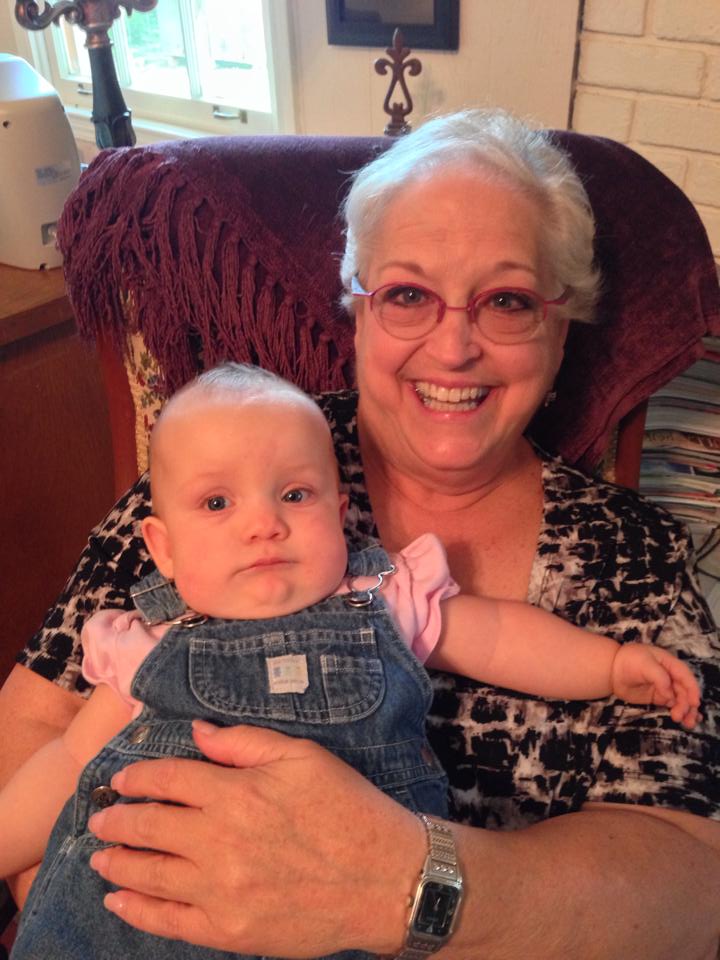
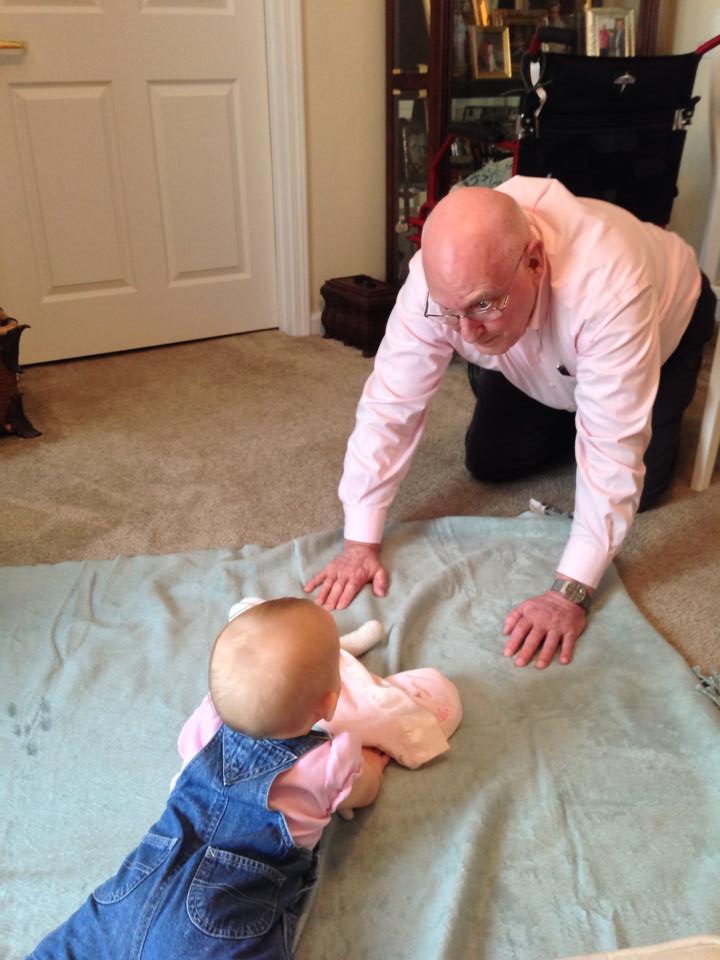
Aunt Nancy holding Julie: August 13, 2013

Aunt Nancy was the younger sister of my uncle Mike and my dad. I had just texted with her two days before Christmas, but her health had taken a sudden turn for the worse. Hospice had begun the very day of Mike’s service. After the memorial, Jenn, the girls, and I went to visit her at home since she was too weak to attend the service. I’m grateful we made that visit. She was alert, warm, and still very much herself. We talked about how everyone was doing, and then drifted into memories from long ago.

She told me the house was built in 1952. She was 15 when the family moved in, and Uncle Mike would marry my wonderful Aunt Ouida just a few months later. He never officially lived in that house, though he and Aunt Ouida would have moved into their own home in the early 60s. That 1952 house was my grandparents’ home — the place we visited every Christmas, usually arriving a day or two after the holiday. Even when Aunt Nancy wasn’t living there, we spent just as much time with her as we did with my grandparents.

The house still has its giant Magnolia tree out front. I can remember climbing that tree as a kid. We visited in the summers too. My grandparents were born in 1914 and 1915, and in the late 1990s, Aunt Nancy moved back into the house to care for my grandmother when she became ill. On Friday, she told me she had moved back into her same childhood bedroom. She lived in that house for the rest of her life. My grandfather passed in 1998, my grandmother in 1999. I even remember being there visiting when we heard the news of Princess Diana’s death.

Aunt Nancy passed away the next day — Saturday. We had just seen her the day before, and it still feels unreal how quickly everything happened. She was one of the most caring people you could ever hope to meet. She spoiled us at Christmas and on our birthdays. She and Uncle Mike rarely missed the girls’ birthday parties, even when it meant driving two or three hours. Whether it was the Children’s Museum in Chattanooga, the Chattanooga Zoo, the loud skating center, or even Callaway Gardens, they always showed up.

I also remember a wonderful visit with both her and Uncle Mike a month or so after my father passed away. We met at my sister’s house and spent the whole afternoon catching up and sharing memories. That’s who they were — present, loving, steady.

With Aunt Nancy’s passing, she became the last member of that generation on my father’s side of the family. It’s a sad milestone, but I take comfort in imagining her reunited with my dad, with Uncle Mike, and with their younger sister Kathy, who passed away in 1959 at just nine years old.

It has been a week of loss, but also a week of remembering the deep roots of our family — the house built in 1952, the Magnolia tree, the Christmas visits, the birthdays, the stories, and the love that stretched across decades. I’m grateful for the time we had with both Aunt Nancy and Uncle Mike, and for the legacy of kindness and presence they leave behind.

Her service will be this upcoming Wednesday at Shades Mountain Baptist Church. It will be my second trip to Birmingham in a week, but I would not miss it for the world.

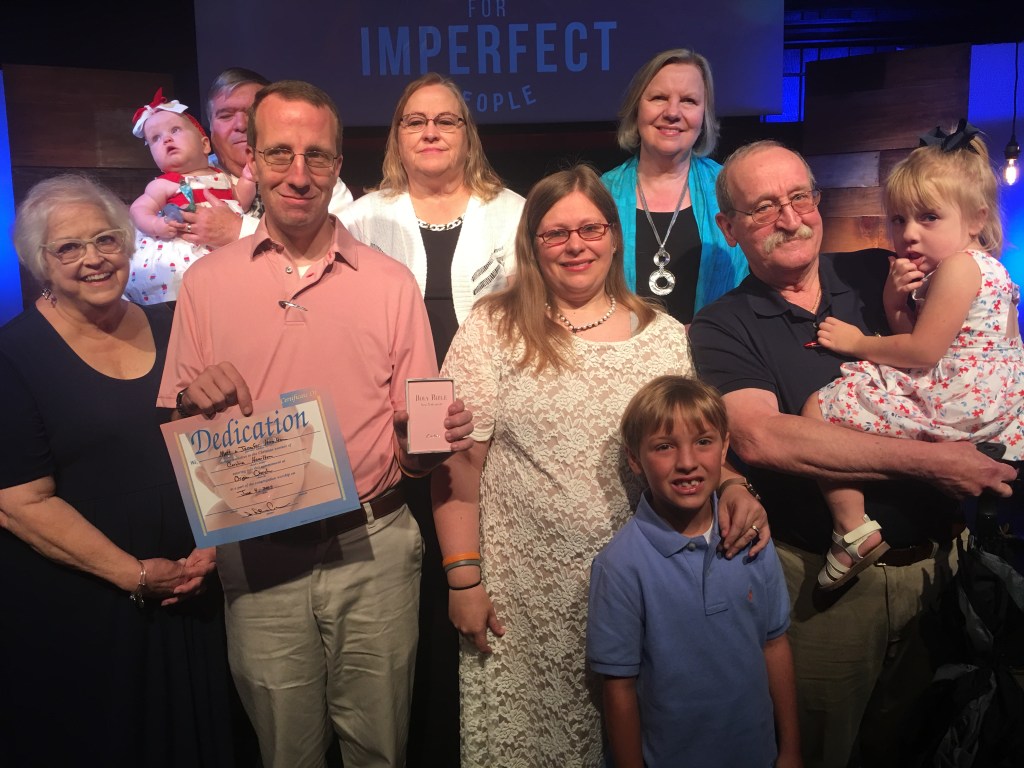
Caroline’s Dedication at Church: June 4, 2017

From Patten Chapel Road to Lifelong Impact: Honoring Mike Hamilton

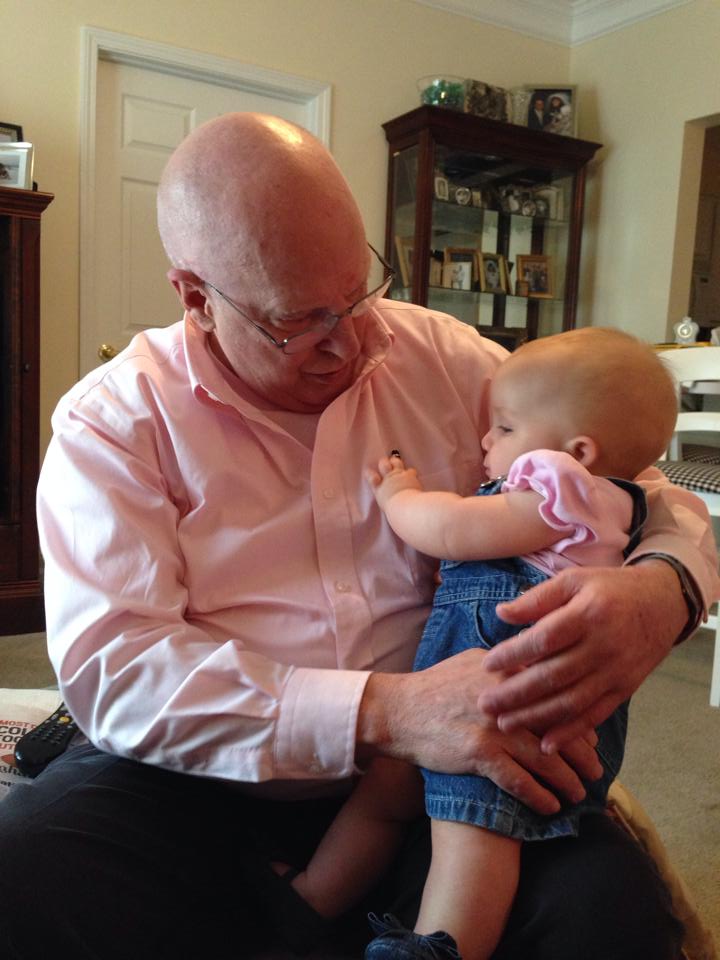
Uncle Mike and Julie in August, 2013.

My beloved uncle, Mike Hamilton, was truly one of a kind. He lived in Birmingham, Alabama, and was my dad’s older brother. He passed away on Sunday, November 23rd after a brief illness. In March, he celebrated his 85th birthday—a milestone that reflected not just years lived, but a life filled with kindness, generosity, and devotion to family.

Mike and his beloved wife, Ouida, meant so much to us. They had always been close to our family, but after my older sister’s passing in 1989, they became even closer, taking us under their wing in ways that left a lasting impression. While many people say a certain family member is “the best,” Mike truly was that person. I never saw him raise his voice or lose his temper. He was always willing to do anything for anybody, and he did it with grace.

Mike and Ouida were inseparable until her passing in 2015. One of my favorite memories comes from a trip to Europe in July of 1989. Ouida joined us, and she took hundreds of pictures with a new camera. Somehow a setting had been switched that made every photo panoramic, which meant developing the film was much more expensive than expected. After hearing the news of Uncle Mike’s passing on Sunday, I called my sister, and she reminded me of that story. What stood out most was how Uncle Mike didn’t bat an eye at the extra cost—he simply made sure those memories were preserved. That was the kind of man he was: generous, steady, and always putting others first.

Some of my fondest memories are of summers spent at their house on Patten Chapel Road. I was a camper and later a counselor at Camp Mac in Munford, Alabama, for many years. Since Birmingham was close by, we would stay at Mike and Ouida’s the night before camp check-in. Those evenings were filled with long conversations about whatever new thing was happening. Mike loved technology—he was one of the first people I knew to use TiVo, long before DVRs became common. I remember watching The Fugitive starring Harrison Ford at their house, and during the famous train wreck scene, the sound system was so powerful that the den floor shook beneath us.

After Ouida passed away in 2015, Mike remained active and engaged with life, but his dedication to work and service had long been a defining part of who he was. For many years he ran Hamilton Oxygen Company, and he also served as executive director of the Alabama Durable Medical Equipment Association, where he tirelessly advocated for the home medical equipment industry. His commitment was recognized just this past May in Washington, D.C., when he received the Mel Mixon Legislative Advocacy Award—a fitting honor for a lifetime of service.

Even with his busy schedule, Mike always made time for family. He came to many of Caroline’s and Julie’s birthday celebrations, alongside his wonderful sister, my Aunt Nancy. Though I regret not seeing him and Aunt Nancy as often in recent years, I hope to remedy that with her.

Mike bore a striking resemblance to former Vice President Dick Cheney, who also passed away earlier this month—a fun fact that always made us smile. But more than anything, Mike resembled the very best qualities of humanity: patience, generosity, and love.

Now, I take comfort in knowing that Mike and Ouida are rejoicing together again in heaven, reunited after ten years apart. Their legacy of love and devotion continues to live on in our family, and I will always cherish the memories of my uncle, who never failed to show up, never failed to care, and never failed to love.

Julie was nine months old and was meeting Uncle Mike for the first time.

Julie’s Legacy: A Sister Remembered, A Family Rooted

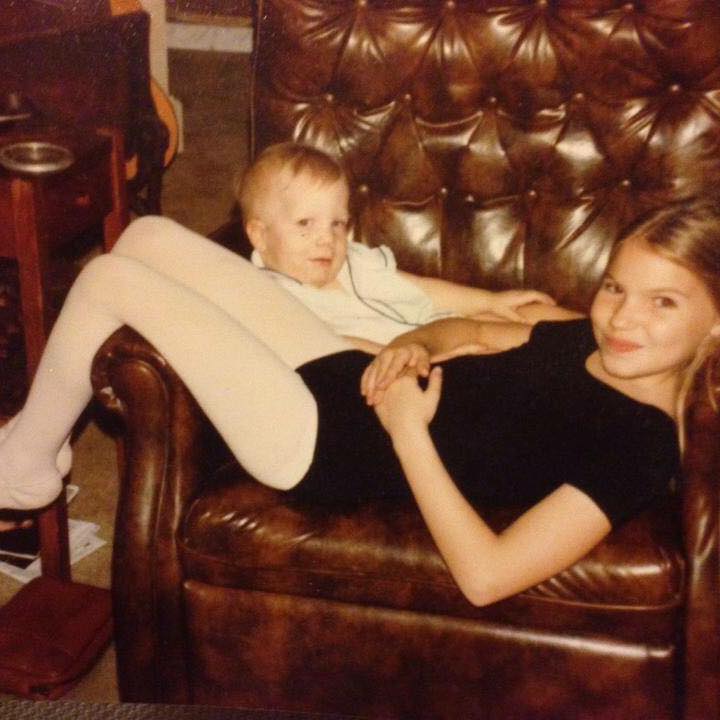
Today would have been my older sister Julie’s 54th birthday. Tragically, we lost her the night before Thanksgiving in 1989, just one day after her 18th birthday. I was 11 years old, in 5th grade, and my younger sister was only 7. That year, Thanksgiving fell on November 23rd, and instead of celebrating, we found ourselves grieving a loss that changed our family forever.

I remember that Wednesday night vividly. I was staying at my grandparents’ house, just a few miles down Sandfort Road from our own home. Their house was the old family home, with parts more than a century old. The property had once held a little store and a cotton gin, surrounded by fields where my grandfather planted cotton and soybeans before later converting them to pine trees. Those fields were where he taught me to drive at the age of nine. That house was more than a home—it was a place where generations had lived, worked, and gathered. I spent countless weekends and summer nights there, always choosing to sleep on the sofa in the den, a space converted from a covered porch.

That Wednesday afternoon, I helped my grandmother prepare dishes we would carry to Thanksgiving dinner the next day. But late that night, she woke me from the sofa, upset, and told me we needed to go back home. When we arrived, my mother embraced me tightly and told me Julie had been in an accident. From that moment, everything became a whirlwind.

The next day, Thanksgiving, people poured into our home to offer condolences. My grandfather, a county commissioner, seemed to know half the county, and their presence was both overwhelming and comforting. I remember sitting at the piano, playing “We Three Kings” over and over, trying to distract myself from the grief that hung in the air.

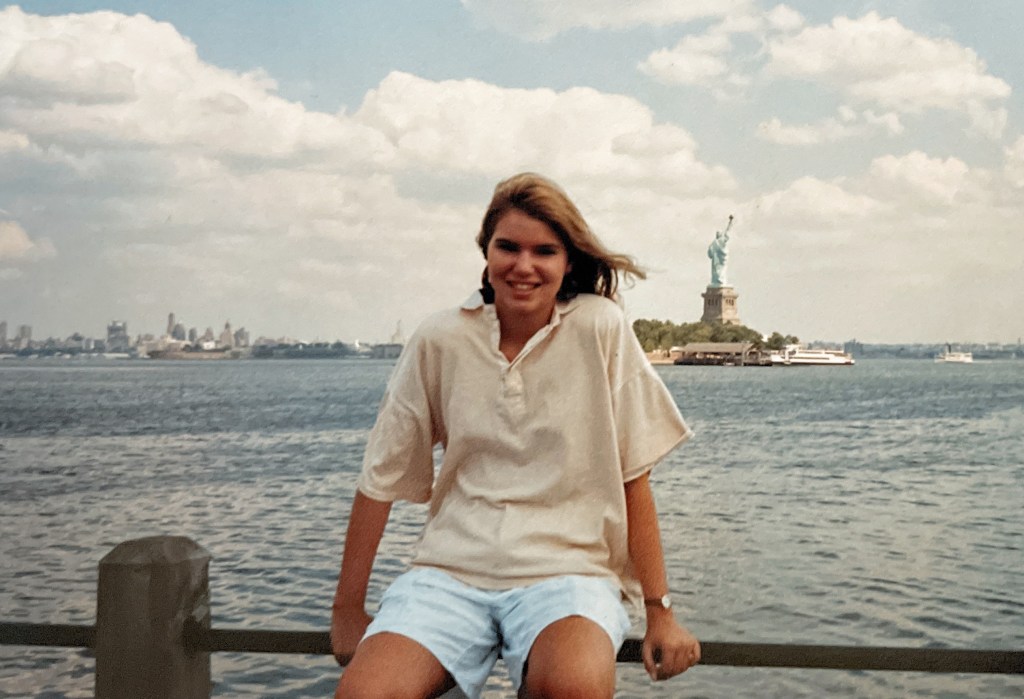
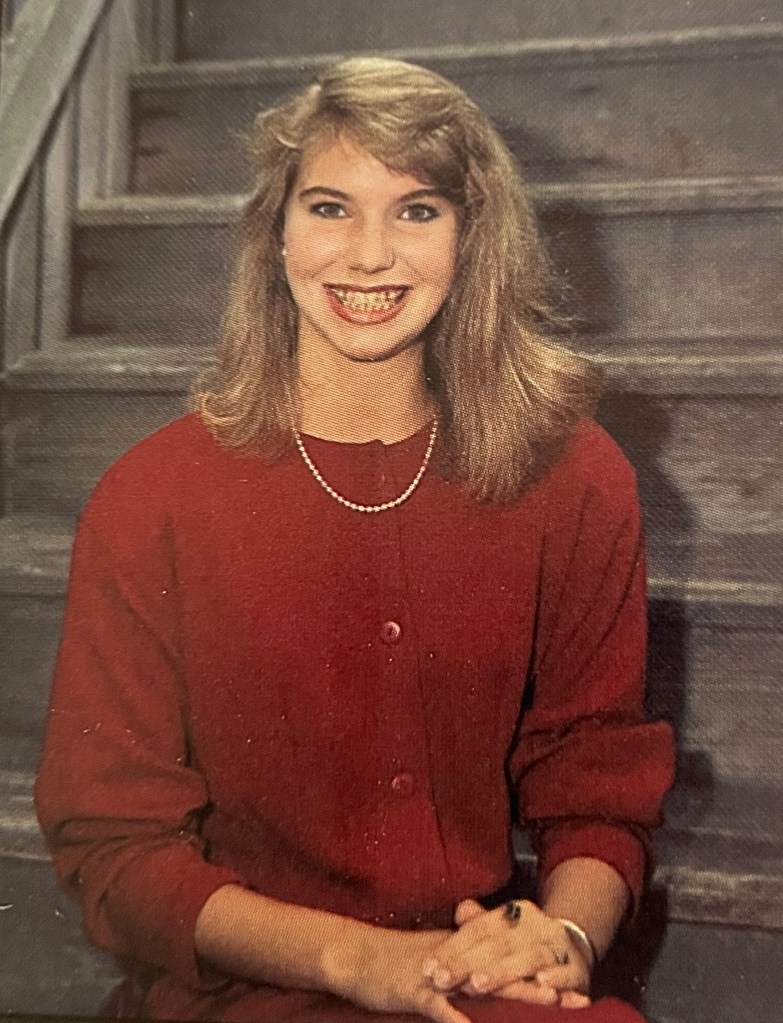
Julie was beautiful inside and out. She had just begun her freshman year at Auburn University a couple of months earlier and had pledged Phi Mu. She was full of promise, and losing her at such a young age was devastating. Yet even in that loss, I knew one thing: if I ever had a daughter, I would name her Julie, to honor my sister. Years later, when our first child was born, we chose her name without hesitation. Today, my daughter Julie—and her younger sister Caroline—bring joy and light into our lives, carrying forward the love that my sister embodied.

I often wonder what Julie would have become. She had modeled during her teenage years, and her future seemed wide open. I wonder what she would think of her namesake, and of Caroline too. One of my earliest memories of her is a family trip to Disney World when I was about four years old, before my younger sister was born. Epcot was still being built then, and Julie’s smiles made the trip great. She was always smiling. Perhaps that is the biggest thing I remember about her, her smiles.

Though Julie has been gone for 36 years, her memory is woven into the fabric of my life—through the fields where my grandfather taught me, the meals prepared with my grandmother, the piano keys I pressed to cope with grief, and most of all, through the joy of my daughters. Julie is terribly missed, but her legacy lives on in the love we continue to share.

From Meme to Milestone: Day 67 at Heritage

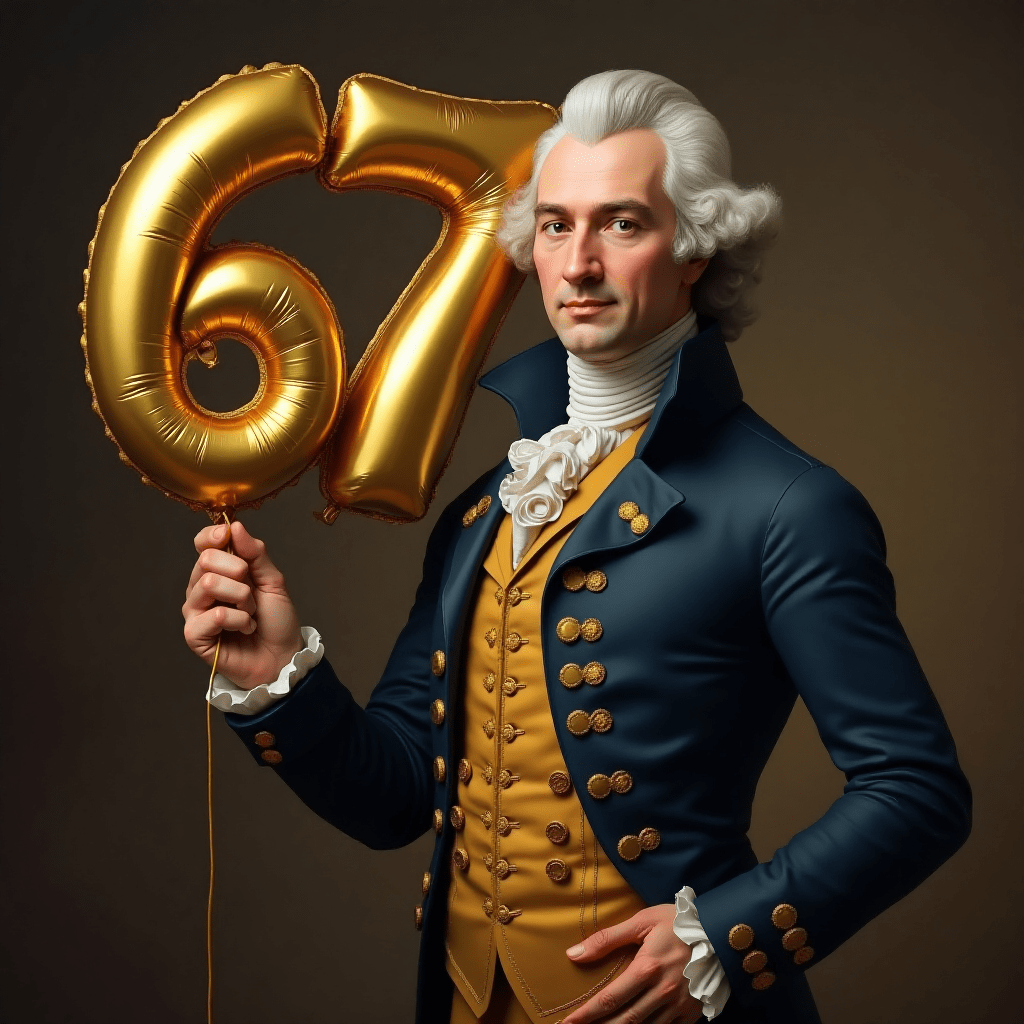
Today marks my final day of student teaching—and fittingly, it also happens to be the 67th school day. Across schools everywhere, the number 67 has become a running joke, a meme, a little craze that students and teachers alike have embraced. For me, though, the number 67 will always carry a deeper meaning. Out of 70 total days in this placement—including four pre-service days at the start and one day I missed in October for my Emory appointment—67 were spent in the classroom, learning, teaching, and growing alongside the Heritage community.

When I first learned I’d be placed at Heritage, I’ll admit it wasn’t in my top two choices. In fact, I had my heart set on one particular school. But a wise principal encouraged me to broaden my horizons and try something new—specifically, to step into the high school world. Up to that point, my experience at that level was limited to just observation hours. I wasn’t sure what to expect, and I wondered if I’d be ready.

Looking back now, I am so glad that Heritage is where I ended up. This placement turned out to be a real success. The students, staff, and community here have given me experiences I never could have imagined, and they’ve shaped me in ways that will stay with me long after graduation. I’ve learned not only about teaching content but also about building relationships, fostering engagement, and finding joy in the daily rhythms of school life—even in something as quirky as the number 67.

No reflection on these 67 school days would be complete without mentioning the people who walked alongside me. My mentor, Mr. Ethan Dempsey, has been a steady guide and source of encouragement throughout this journey. His wisdom, patience, and example have shaped not only my teaching practice but also my vision for the kind of educator I hope to become. I hit a grand slam with him—not just because of his expertise, but because of the way he treated me as a true colleague. He never relegated me to menial tasks like making copies or sitting on the sidelines. Instead, he invited me into the heart of the classroom, trusted me with meaningful responsibilities, and gave me space to grow. He offered feedback with care, modeled professionalism with humility, and made sure I felt both challenged and supported. His mentorship has left a lasting imprint, and I’ll carry his example with me into every classroom I enter.

The entire Social Studies department welcomed me as one of their own, offering advice, resources, and camaraderie that made each day richer. Beyond that, the entire faculty, staff, and administration at Heritage High School created an environment where I felt supported and valued. Their professionalism and kindness set the tone for the school, and I am grateful to have learned in such a collaborative community. My GCU Faculty Supervisor, Mr. C.L. Dunn, was very helpful as well. He had some great feedback after observing me during my four observation evaluations.

And of course, the students—nearly all respectful, mostly engaged, and often inspiring—reminded me daily why this work matters. They brought energy, curiosity, and humor into the classroom, and they challenged me to grow as both a teacher and a person.

Tomorrow I’ll finish my online student teaching course, and with it, my M.Ed in Secondary Education. I’ll graduate with a GPA of 3.83, but more importantly, with gratitude for the people and places that made this journey possible. Heritage wasn’t the plan I thought I wanted, but it was exactly the placement I needed.As I move forward, I’ll carry with me the lessons of these 67 school days: that growth often comes when we step outside our comfort zone, that laughter and community matter as much as curriculum, and that sometimes the best opportunities are the ones we didn’t expect.

Alexander Hamilton holding a 67 Number Balloon.

Turning Sorrow Into Solidarity

Grief is not something we schedule. It doesn’t wait until we are ready, until our hearts are steady, until we’ve had time to recover from the last loss. It arrives unannounced, sometimes again and again, until it feels like the hits keep coming.

On Friday, a student at our school passed away. I didn’t know him personally, but he was part of our community, an athlete, a part of the flow of our days. And now, he is gone.

It feels overwhelming. Just the day before, I had written about grief for two others. Then, suddenly, another loss—closer, heavier, harder to process. I am sad for him. I am sad for his family. I am sad for the friends who now carry memories that will never be added to. I am sad that he may have felt like he had no one to turn to, no one to talk to.

When grief keeps hitting, it can feel like the ground beneath us is shifting. We wonder how much more we can take, how many more losses we can bear. But maybe the way forward is not to try to carry it alone.

The only way forward is together. We lean on each other, knowing that even the smallest gestures—a smile in the hallway, a kind word, or a simple “I’m here”—can remind someone that they are not alone. In moments like these, presence matters more than perfection. We also allow ourselves to grieve because even if we didn’t know the person closely, their absence still leaves a mark on our community. Their life mattered, and recognizing that truth honors both them and the people who loved them.

We honor the lives lost by remembering them, speaking their names, and carrying compassion in their memory. To honor someone means keeping their story alive, even in small ways, and letting their impact spread beyond the moment of grief. Throughout it all, we choose hope—not because it erases the pain, but because it gives us the strength to continue. Hope helps us believe that tomorrow can be brighter, that healing is possible, and that no one should ever feel invisible. And we remember that God gives us power, as my pastor reminded us yesterday. God can help us get through even the hardest weeks. Faith doesn’t take away the sorrow, but it gives us the courage to keep moving forward.

At the same time, seeking help is not something to be ashamed of. Mental health is not bad—it is part of being human. Seeing a counselor is a wonderful thing. Medications are also a good thing; I take medicine for anxiety myself, and I know it helps. Asking for help is a sign of strength, not weakness.

Finally, we must look out for one another. If you see or hear something, say something. Sometimes the smallest act of speaking up can save a life.

Grief teaches us that every life matters, and every absence reshapes the community it touches. When the hits keep coming, the only way through is together—by holding space for sorrow, offering compassion, and reminding each other that no one should feel invisible.

We cannot undo what has happened. But we can choose to make life feel less lonely. Perhaps that is how we get through a week that hurts—by turning sorrow into solidarity, by remembering that even strangers deserve our grief, our respect, and our care, and by choosing to walk forward together, even when the path feels heavy.

If you have been blessed with a son or daughter, take time to tell them how much you love them and how proud you are of them. Each evening, ask about their day and give them the chance to truly talk, to share what’s on their mind, and to ask questions. And don’t forget the hugs—lots of them.

But this call is not only for parents. It is for all of us. Every person has someone they can encourage, someone they can check in on, someone who needs to be reminded they are seen and valued. A kind word to a friend, a text to a colleague, a smile to a stranger—these small acts can make a difference.

Love is not limited to family ties; it is a gift we can extend to anyone.

On This Side of Heaven

This week, life reminded me how fragile and unfair it can be.

On Tuesday, I received word that the registrar at the middle school where I used to substitute had passed away. It was a shock. I didn’t know her well, but I remember her kindness — helping me get into classrooms, always with a calm presence. She was a beloved member of a tight-knit faculty and staff. I knew her daughter too — she was in 8th grade last year. My heart aches for her.

Then yesterday, I learned that another woman had passed away. Her name was Kim. I never got the chance to meet her, but I know her in-laws — they go to our church. Good, gracious people. I know Kim had twin daughters. They went to Camp Kesem with my girls the summer before last — a camp for children whose parents have cancer. They even shared a cabin with Julie. Kim fought hard, but cancer got the best of her.

So here we are. One girl lost her mother suddenly. Two more lost their mother to a disease that takes too much. And I’m left asking the same question I’ve asked before: Why do bad things happen to such good people?

It’s a life question. One we’ll never fully understand — at least not on this side of heaven.

But maybe part of the answer is in how we respond. In how we show up. In how we listen, pray, and offer what we can — even if it’s just a meal, a hug, or a quiet moment of presence.

I don’t have answers.

But I do believe in showing up — in small kindnesses, in shared stories, in listening when someone needs to talk. I believe in the power of presence, even when words fall short. I believe that grief doesn’t follow a script, and neither does healing.

Sometimes, all we can do is stand beside those who are hurting and say, “I see you. I’m here.” Sometimes, all we can offer is a meal, a memory, or a moment of stillness. And sometimes, that’s enough.

Life doesn’t always make sense. Loss doesn’t play fair. But love — love shows up anyway. In casseroles and camp cabins. In church pews and classroom doors. In the quiet resolve of those who keep going, even when their hearts are broken.

So I’ll keep telling stories. I’ll keep listening. I’ll keep showing up — because that’s what we do for each other, on this side of heaven.

Can One Honest Voice Still Make a Difference?

That question echoed through the Senate chamber in Mr. Smith Goes to Washington, and it still echoes—in classrooms, hospitals, and quiet corners where people stand up for truth, dignity, and hope. Jefferson Smith’s filibuster wasn’t just about a boys’ camp. It was about integrity in the face of power, and the belief that one person, armed with conviction and courage, could still influence change.

I’ve been reflecting on this a lot lately. As a teacher, a writer, and someone who has walked through the valley of cancer, I’ve observed how fragile hope can be—and how powerful it becomes when shared. Whether it’s a student finding their voice, a patient advocating for better care, or a citizen daring to speak truth in a noisy world, an honest voice still matters. It always has.

Over the past two days, I’ve been watching Mr. Smith Goes to Washington with my American Government students. It’s a black-and-white film from 1939, but it somehow feels more relevant than ever. In a world that often feels noisy, cynical, and divided, Jefferson Smith’s quiet courage still resonates.

He’s not polished or powerful. He’s simply a man who believes in doing what’s right—even if it costs him everything.

“I guess this is just another lost cause, Mr. Paine. All you people don’t know about lost causes. Mr. Paine does.”

That line hit me hard because I’ve been there. Maybe you have too—fighting for something that feels too big, too broken, too far gone. Whether it’s in a hospital room, a classroom, or our country, there are moments when you wonder if your voice matters at all.

But then I remember: it’s the “lost causes” that often need us the most.

Jefferson Smith’s filibuster wasn’t just about a boys’ camp. It was about integrity—about standing up when it would be easier to sit down. About believing that the truth, spoken plainly and with heart, still has power.

“Liberty’s too precious a thing to be buried in books… Men should hold it up in front of them every single day of their lives and say: I’m free to think and to speak.”

That’s what I want for my students. Not just to memorize the steps of how a bill becomes a law, but to believe that their voices matter—that democracy isn’t something that happens in Washington; it happens in classrooms, in conversations, in choices.

And that’s what I want for myself, too.

I’m just starting to write a book—my story of battling cancer, walking through fear, and finding hope. It’s hard to share, but I keep thinking: if one person reads it and feels less alone, maybe that’s enough. Maybe that’s what it means to be an honest voice.

So yes, I believe one voice can still make a difference. Not because it’s loud. But because it’s true.

And in a time when so much feels uncertain, that’s something worth holding onto.

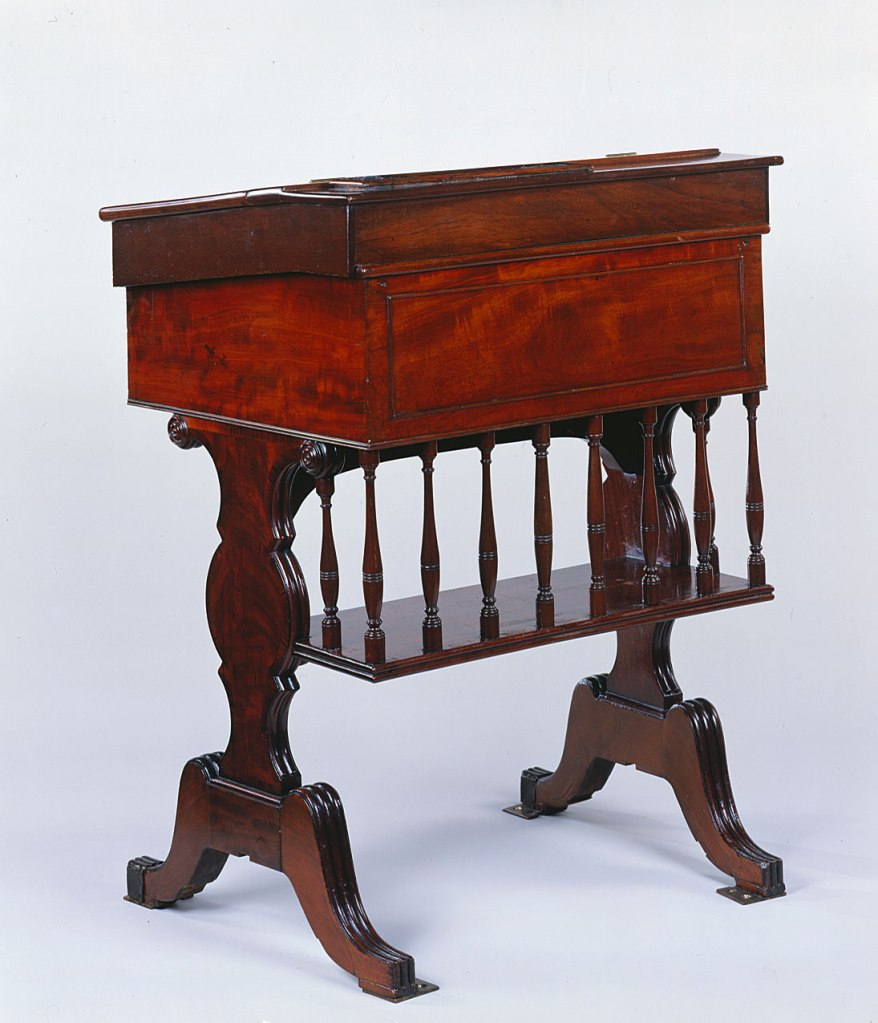
The desk of a U.S. Senator, as featured on senate.gov.


Hurricane Melissa and the Mountains of Memory

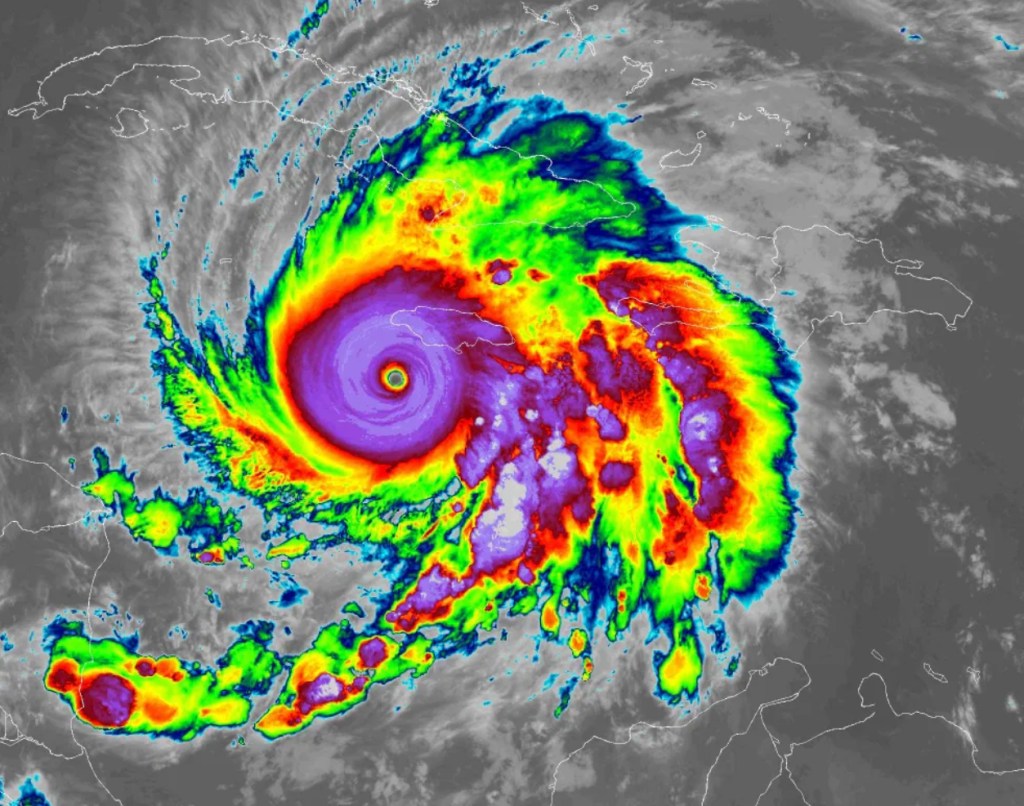
In another lifetime, I might have become a meteorologist. The science of storms—their rhythm, fury, and eerie precision—has always fascinated me. But the math? That was enough to push me toward the humanities. Still, when Hurricane Melissa roared toward Jamaica with sustained winds of 185 mph and a pressure of 892 millibars, I found myself drawn back into a vortex of curiosity and awe.

Those numbers are more than just statistics. A pressure of 892 mb places Melissa among the most intense hurricanes ever recorded in the Atlantic basin. For comparison, Hurricane Katrina reached a minimum pressure of 902 mb. The lower the pressure, the stronger the storm—because it indicates the atmosphere is collapsing inward with terrifying force, fueling the cyclone like a vacuum engine. Melissa wasn’t just strong; she was historic.

Jamaica, with its lush mountains and coastal beauty, stood directly in her path. I’ve never been there, but the images I’ve seen—turquoise waters, green ridges, vibrant towns—make it hard to imagine the aftermath. And yet, I can’t stop wondering: what happened at elevation? The Blue Mountains rise over 7,000 feet, and wind speeds at that height can be significantly higher than at sea level. Could gusts have reached 200 mph or more? The physics say yes. The devastation, especially in exposed highland communities, must be staggering.

Storms like Melissa remind me of another hurricane that left its mark—not on the landscape, but on my memory. In 1999, I was a college student at Georgia Southern University in Statesboro. Hurricane Floyd was rushing toward the Southeast, and for a while, it looked like coastal Georgia might take a direct hit. The evacuation was huge—one of the largest the region had ever seen. A drive to Atlanta that usually took four hours stretched into ten or more. My roommate and I stayed behind, watching the skies and listening to updates, caught between youthful bravado and quiet unease.

Floyd eventually veered north, sparing Georgia but hammering the Outer Banks of North Carolina. Still, the experience stayed with me. It taught me that hurricanes aren’t just weather events — they’re emotional ones. They stir fear, force decisions, and leave behind stories that shape how we see the world.

Melissa will share stories too. Some will be told in data—wind speeds, rainfall totals, damage estimates. Others will be told in voices—of families rebuilding, communities rallying, landscapes forever changed. And somewhere in the mix, I’ll be watching, wondering, and writing. Because even if I never became a meteorologist, the weather still finds its way into my heart.

Hurricane Melissa—shortly before landfall in Jamaica.
Photo provided by NOAA.

Why Local Arts Matter—From Horton to Heritage

Tonight, my daughters and I sat in the theater at Heritage High School and watched a group of talented students bring Seussical Jr. to life. From Horton’s earnest heart to the Cat in the Hat’s playful chaos, the cast poured themselves into every line, every song, and every moment. It was joyful, funny, and deeply moving—not just because of the performance, but because of what it represents.

This wasn’t just a play. It was a reminder of why the arts matter.

In a time when funding for school and community arts programs is shrinking, nights like this feel even more important. As Hitchens (2025) explains, the National Endowment for the Arts (NEA) abruptly ended hundreds of grants earlier this year, leaving local organizations scrambling to stay afloat. Public schools, too, are feeling the squeeze. Despite being recognized as part of a “well-rounded education” under federal law, arts programs are often the first to go when budgets tighten. (National Association for Music Education [NAfME], 2023)

But what we saw tonight at Heritage proved that the arts are not just a luxury—they are a lifeline. They give students a voice, a stage, and a community. They teach collaboration, confidence, and creativity. They invite families to gather, celebrate, and experience something together.

The Young Kangeroo with Caroline and Julie.

I’ve seen this firsthand during my student teaching at Heritage. The chorus, band, and theater programs are lively and full of passion. The staff and students work tirelessly to put on these productions, often with limited resources and behind-the-scenes effort. And yet, they shine.

Beyond the school walls, local arts organizations—city orchestras, opera companies, community theaters—face similar challenges. They depend on public support, volunteers, and donations to continue. When we show up, buy a ticket, or clap from the audience, we’re not just enjoying a show. We’re investing in the heart of our community.

So tonight, as Horton reminded us that “a person’s a person, no matter how small,” I thought about how every student, performer, and artist deserves to be seen and heard. Supporting the arts isn’t just about entertainment—it’s about education, equity, and empathy.

Let’s continue showing up. Let’s keep applauding. Let’s persist in fighting for the arts.

References:

Hitchens, H. A. (2025, June 3). NEA slashes arts funding, threatening local cultural lifelines. Observer. https://observer.com/2025/06/arts-funding-cuts-nea-economic-cultural-cost/

National Association for Music Education. (2023, November). The impact of federal funds on music & arts education: Results from 2023 survey. https://nafme.org/wp-content/uploads/2023/12/November-2023-Federal-Funds-Issue-Brief-Arts-Advocates.pdf