That question echoed through the Senate chamber in Mr. Smith Goes to Washington, and it still echoes—in classrooms, hospitals, and quiet corners where people stand up for truth, dignity, and hope. Jefferson Smith’s filibuster wasn’t just about a boys’ camp. It was about integrity in the face of power, and the belief that one person, armed with conviction and courage, could still influence change.
I’ve been reflecting on this a lot lately. As a teacher, a writer, and someone who has walked through the valley of cancer, I’ve observed how fragile hope can be—and how powerful it becomes when shared. Whether it’s a student finding their voice, a patient advocating for better care, or a citizen daring to speak truth in a noisy world, an honest voice still matters. It always has.
Over the past two days, I’ve been watching Mr. Smith Goes to Washington with my American Government students. It’s a black-and-white film from 1939, but it somehow feels more relevant than ever. In a world that often feels noisy, cynical, and divided, Jefferson Smith’s quiet courage still resonates.
He’s not polished or powerful. He’s simply a man who believes in doing what’s right—even if it costs him everything.
“I guess this is just another lost cause, Mr. Paine. All you people don’t know about lost causes. Mr. Paine does.”
That line hit me hard because I’ve been there. Maybe you have too—fighting for something that feels too big, too broken, too far gone. Whether it’s in a hospital room, a classroom, or our country, there are moments when you wonder if your voice matters at all.
But then I remember: it’s the “lost causes” that often need us the most.
Jefferson Smith’s filibuster wasn’t just about a boys’ camp. It was about integrity—about standing up when it would be easier to sit down. About believing that the truth, spoken plainly and with heart, still has power.
“Liberty’s too precious a thing to be buried in books… Men should hold it up in front of them every single day of their lives and say: I’m free to think and to speak.”
That’s what I want for my students. Not just to memorize the steps of how a bill becomes a law, but to believe that their voices matter—that democracy isn’t something that happens in Washington; it happens in classrooms, in conversations, in choices.
And that’s what I want for myself, too.
I’m just starting to write a book—my story of battling cancer, walking through fear, and finding hope. It’s hard to share, but I keep thinking: if one person reads it and feels less alone, maybe that’s enough. Maybe that’s what it means to be an honest voice.
So yes, I believe one voice can still make a difference. Not because it’s loud. But because it’s true.
And in a time when so much feels uncertain, that’s something worth holding onto.
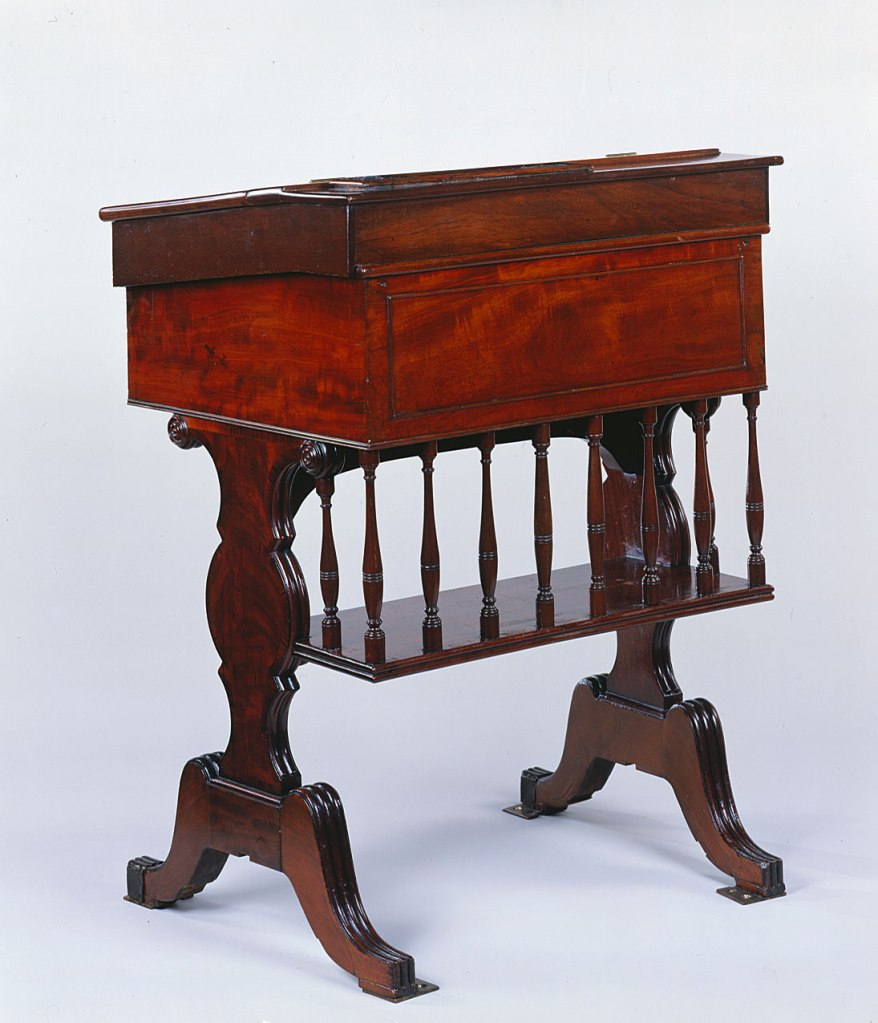
The desk of a U.S. Senator, as featured on senate.gov.

 The Quiet Middle