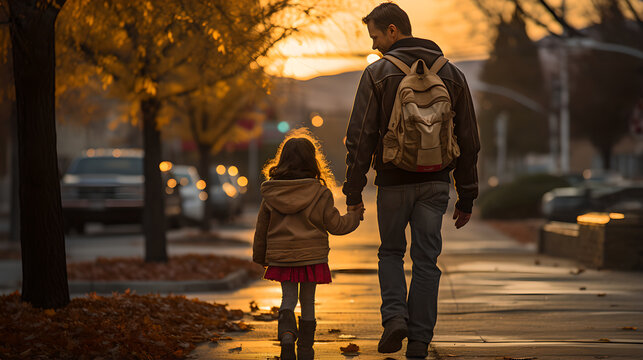
There’s a moment in Hamilton that always stops me. After the chaos of revolution, after the declarations and duels, two fathers sing to their newborn children. “Dear Theodosia,” they begin—not with fanfare, but with tenderness. Burr and Hamilton, rivals in politics and temperament, pause to make promises. Not to their country. To their children.
“You will come of age with our young nation. We’ll bleed and fight for you, we’ll make it right for you…”
It’s a lullaby wrapped in determination. A promise to create something better—not for fame, but for love.
I’ve thought about that song a lot, but never more than right now.
In five days, I return to Emory for new CT scans. On October 14, I’ll meet with my nurse practitioner and surgeon at Winship Midtown. If the scans are clear, it will mark five years since I finished radiation. Five years since I stood at the edge of uncertainty and chose to fight. Five years since I started whispering my own promises to my daughters—not in song, but in presence.
I’ve lived in the space between “no evidence of disease” and “cancer free.” It’s a quiet place— a place of waiting, watching, and wondering. But it’s also where love grows loud, where bedtime prayers turn into battle cries, and every school concert, silly dance in the kitchen, or whispered “I love you” becomes a declaration: I’m still here.
And yet, as I get ready to cross this threshold, I find myself mourning a different kind of uncertainty. One that doesn’t appear on scans.
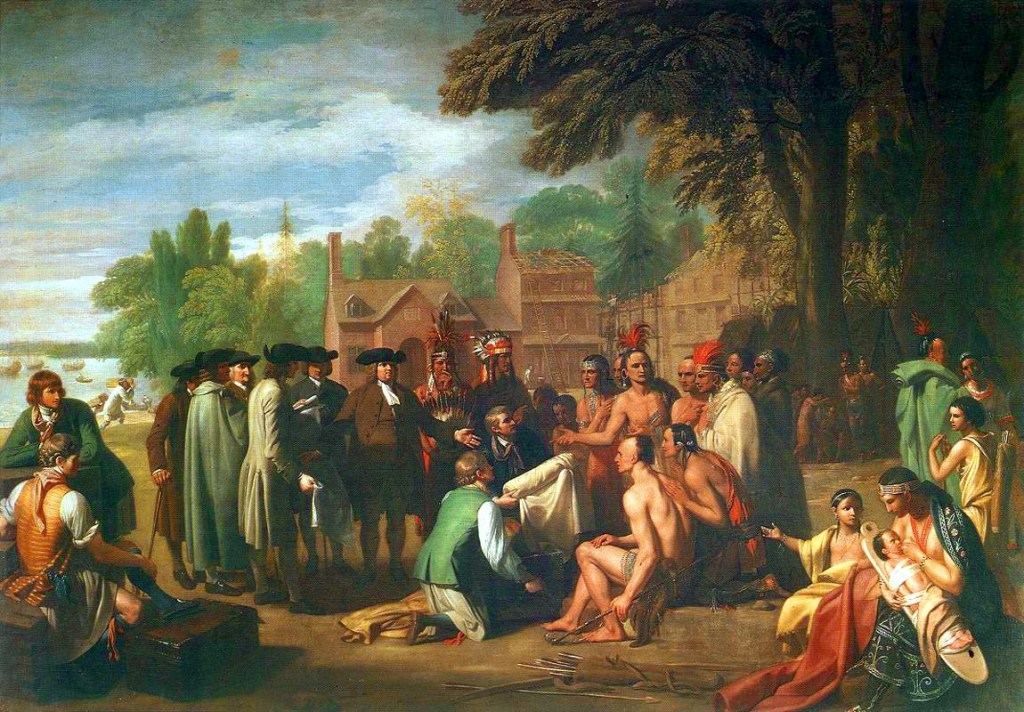
Our democracy feels fragile. The ideals I’ve just finished teaching—Revolution, Constitution, compromise—seem increasingly distant from our public discourse. We are angry, distrustful, divided. This reflection isn’t a condemnation. It’s not about taking sides. It’s about promises.
Because “Dear Theodosia” isn’t partisan. It’s parental. It’s the quiet voice that says: I will fight for you. I will make it right for you.
And that’s a promise I still believe in.
I believe in the scan that might say “healed.”
I believe in the student who asks, “Why does the Constitution matter?”
I believe in the daughter who says, “Dad, I’m proud of you.”
I believe in the lullaby that dares to hope.
We may not agree on policy. We may not share the same fears. But we owe our children more than noise. We owe them the quiet fight—the one that builds, that teaches, that heals.
So I return to Emory with gratitude. I return to my classroom with resolve. I return to my daughters with open arms. And I return to the promises I’ve made—not just to survive, but to build something better.
Dear Theodosia, we’re still singing. Even in the storm. Especially in the storm.

 The Quiet Middle